
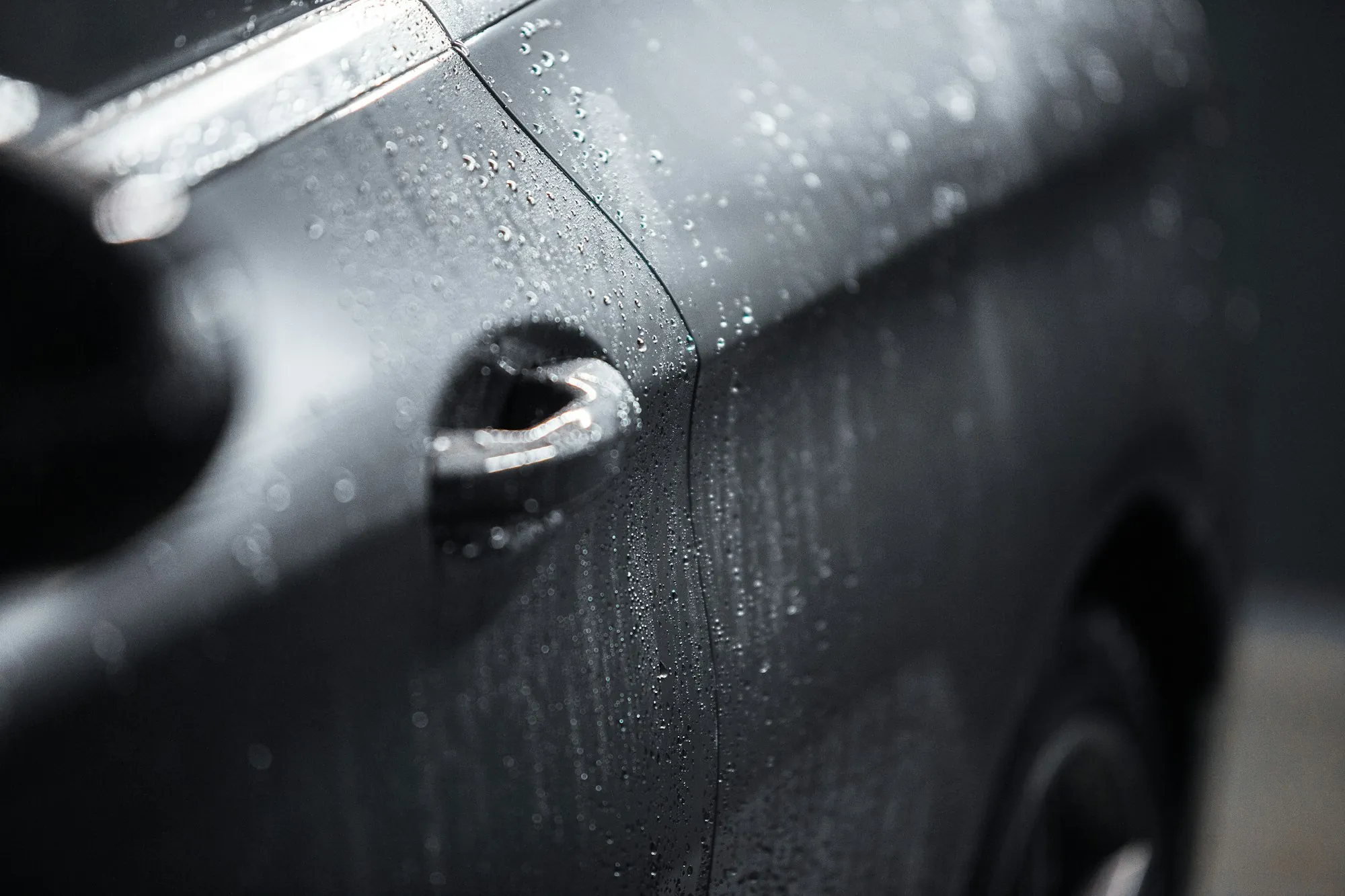
Scratches and scuffs
Paint Scratch Repair in Sachse That Starts With a Depth Check
A scratch that sits in the clear coat can often be polished away. One that reaches the color or primer needs paint. We figure out which, then plan the smallest repair that gets it done.
Ask about that scratch at (000) 000-0000The Depth Decides the Plan
Paint is built in layers: clear coat on top, color beneath it, primer below that and then the metal. A light scratch from a branch along Ranch Road or a bag rubbing the trunk lid usually only marks the clear coat, and careful polishing can level it out. A key scratch or a scrape against a garage post often cuts through to the color or primer, and polishing alone won't hide that. In those cases we spot refinish the area, filling, priming and painting just the damaged section and blending it in. We check the depth before we promise anything, so you know which repair you're getting and how long it takes. Small marks are worth handling early, since a scratch through the paint can let moisture reach the metal.
How We Handle Each Kind of Scratch
Scratches come in a range of depths. These are the methods we use across that range.
Depth reading first
We look at the scratch under light and check it with a fingernail test and a paint gauge to see which layer it reached.
Clear coat leveling
For shallow marks, the clear coat is fine sanded and machine polished until the scratch disappears into the surrounding gloss.
Swirl and haze removal
Wash marks and light haze are cut out with a polisher and finishing pad, bringing back depth to the color.
Chip filling
Small chips from gravel on the PGBT are filled with matched paint and leveled so they stop catching the eye.
Section repaint for deeper marks
When a scratch has cut through the color, we repaint just the affected section rather than the whole panel.
Primer where metal shows
If the scratch reached bare metal, the spot is sealed and primed before color goes on, so rust never gets a start.
Blend-out at the edges
New paint is faded into the old so the repaired spot doesn't show a border.
Shine compared side by side
The repaired area is polished and checked against the paint around it so the gloss lines up.
Working a Scratch Out, Start to Finish
- Step 1
Gauge the scratch
We clean the area and look at the scratch under bright light. A paint gauge and a close look tell us which layer it reached. Then we explain whether polishing will handle it or the spot needs paint. You get a timeline that matches the method.
- Step 2
Do the right-sized repair
Shallow scratches are sanded and polished until they're gone. Deeper ones are filled, primed and repainted in a small, masked area. Either way, we work no larger than the damage requires. If the scratch turns out deeper than it looked, we check with you before changing the plan.
- Step 3
Blend, polish and wrap up
Repainted spots are blended at the edges and cleared. Once cured, the area is polished to match the gloss around it. We look at it in sunlight before calling it done. Then you get a heads-up that the car is ready.
Why a Scratch Is Worth Handling Properly
Smallest repair that works
If polish fixes it, we polish. Painting a panel that didn't need it just adds time to your plan.
Moisture kept off the metal
A scratch through the primer is an opening for rust. Sealing it early keeps a cosmetic problem from turning into body work.
A plan before the polisher
You know the method and the timeline before we touch the paint, so nothing about the job catches you off guard.
Want That Scratch Off Your Mind?
Most scratches are simpler to handle than people expect once the depth is known. Tell us where the mark is, and we'll set up a time to check it and lay out the plan.
Get the scratch sorted at (000) 000-0000