
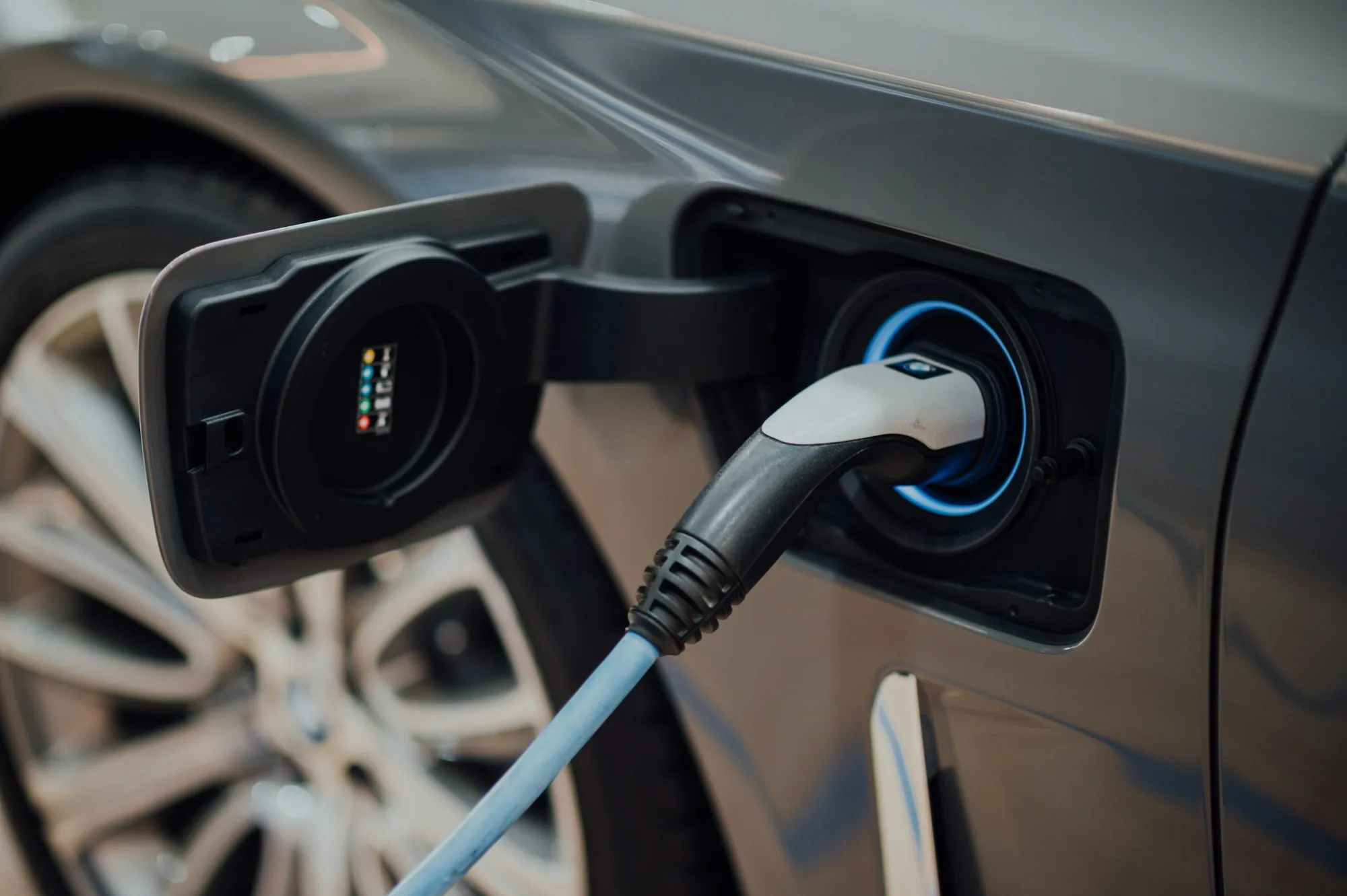
Electric and hybrid vehicles
EV & Hybrid Collision Repair in Sachse
Electric and hybrid commuters fill the Bush Turnpike every workday, and a collision raises questions a gas car never does. We handle the high-voltage side first, then plan the body work.
Talk through your EV repair — (000) 000-0000What Changes When the Car Runs on a Battery
An electric or hybrid vehicle carries a high-voltage battery and orange cabling that run through areas a collision can reach. Before a technician removes a panel near those systems, the car has to be powered down and verified safe following the maker's procedure. The battery pack itself also needs a look, since an impact underneath or at a corner can affect the case or the cooling lines. Many EVs also use aluminum structure, heavy curb weight and dense sensor packages, all of which shape how the repair is planned. None of this has to be confusing for you. We handle the safety steps, explain what the inspection found and give you a timeline that accounts for parts and procedure.
What an EV or Hybrid Repair Includes
Here is what happens on top of the usual body work, and why each step is there.
High-voltage power-down
The system is disabled using the maker's steps, and we verify zero voltage before work begins near high-voltage parts.
Insulated tools and gear
Technicians use rated gloves and insulated tools whenever they work near orange cabling or battery connections.
Battery pack inspection
The pack case, mounts and cooling lines are checked for impact damage, especially after underbody or corner hits.
Model-specific procedures
Each repair follows the published procedure for your model, including sectioning limits and parts that must be replaced.
Approved lift points
EVs are raised only at approved points so the battery pack is never used as a lifting surface.
Heat-managed paint cure
Paint curing is managed so heat does not reach the battery beyond what the maker allows.
System and module scans
Pre and post scans catch fault codes in the battery management, charging and driver-assist systems.
Re-energize and road check
The high-voltage system is restored by procedure, then the car is driven to confirm charging and drive functions work.
How the Repair Is Laid Out
- Step 1
Make it safe and assess
The first job is the high-voltage safety check and power-down. Then we inspect the damage, the battery area and the surrounding structure. The scan results and photos go into an estimate that reflects what an EV repair actually takes.
- Step 2
Order, then repair
Some EV parts come from limited sources, so we order early and give you a realistic date. Body work starts once the car is safe and parts are confirmed. If you need a rental, we coordinate it so it lines up with the days the car is actually in the bay.
- Step 3
Power up and hand back
After refinish, the system is re-energized by procedure and scanned again. We confirm charging works and no warnings remain on the display. Then we call to set pickup and walk you through what was done.
Why EV and Hybrid Owners Plan With Us
Safety steps come first
Nobody starts pulling panels until the high-voltage system has been checked and disabled by procedure. That rule protects the technician and the car.
Honest parts timelines
EV parts can take longer to arrive. You hear that at the start, with a date, rather than partway through the repair.
Clear answers on the battery
If the inspection finds something near the pack, we show you and explain how it affects the repair plan.
Get a Plan for Your Electric or Hybrid Car
Tell us the make, model and where the damage is, and we will walk through the first steps. You will know how the high-voltage checks, parts and timeline fit together before you drop off.
(000) 000-0000 — ask about EV and hybrid repair