
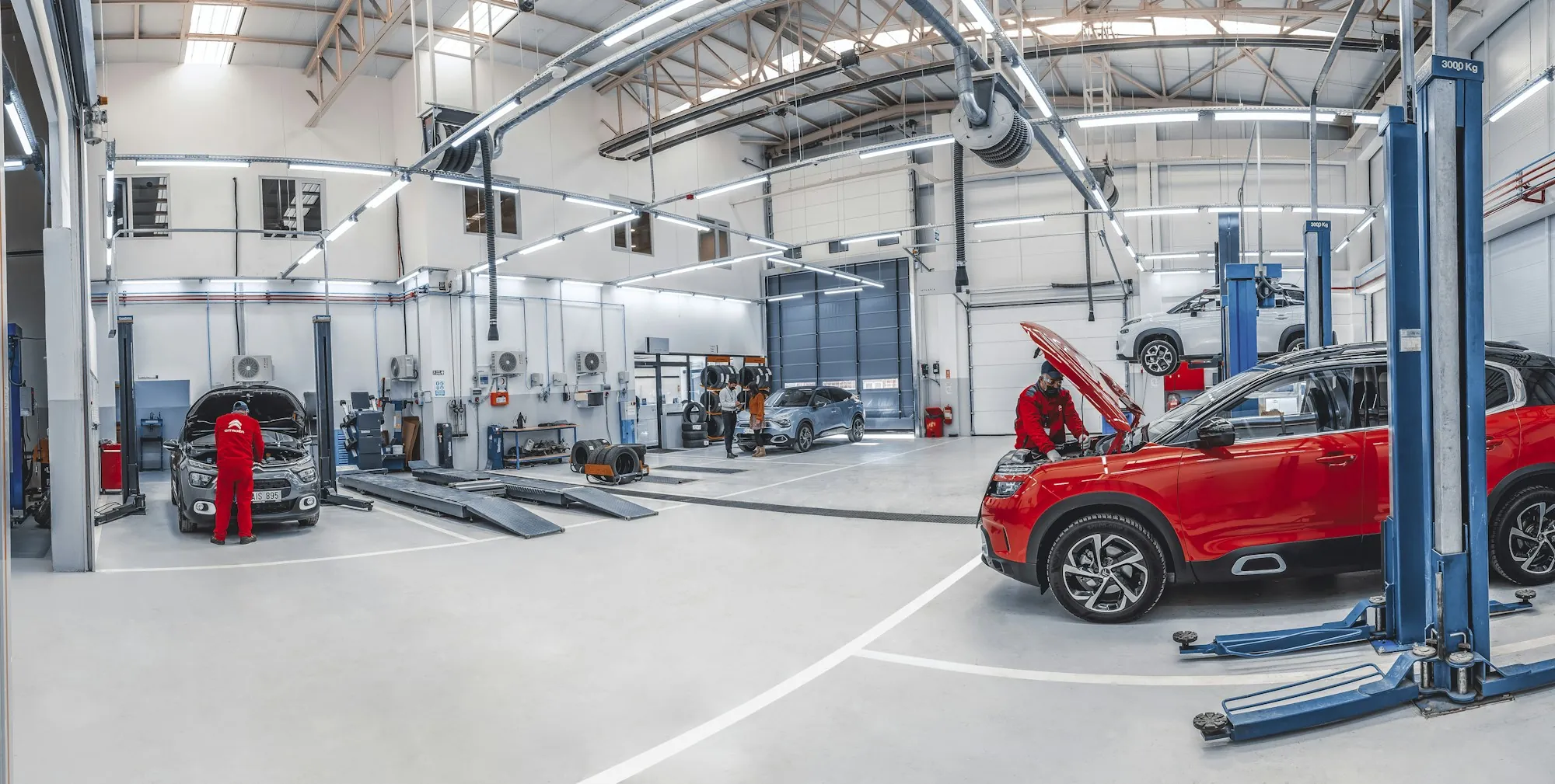
Aluminum bodies and panels
Aluminum Repair in Sachse, Handled the Right Way
Aluminum pickups and SUVs are common in Sachse driveways now. Fixing them takes a separate space, different tools and a plan that accounts for how the metal behaves.
Find out what your aluminum repair needs — (000) 000-0000Aluminum Is Not Just Lighter Steel
Plenty of full-size pickups and newer SUVs use aluminum for the hood, doors, bed or the whole body. It saves weight, but it does not respond to repair the way steel does. Aluminum work-hardens as it bends, so dents have to be worked carefully, sometimes with measured heat, to avoid cracking. It also reacts badly to contact with steel, since stray steel dust can embed in the surface and start corrosion under fresh paint. That is why aluminum repair needs a separate area, dedicated tools and joining methods such as rivets and structural adhesive. We handle all of that up front and tell you early how the work affects your timeline, so you can plan your rides to work around it.
What Aluminum Repair Involves
Every item here exists for a reason, mostly to keep the metal sound and the paint from failing later on.
A walled-off work zone
Aluminum work happens in a separated area so grinding dust from steel jobs never settles on the panels.
Tools kept for aluminum only
Sanders, hammers, dollies and files used on aluminum are never used on steel, which prevents cross-contamination.
Controlled straightening
Dents are worked slowly, with measured heat where the procedure calls for it, so the metal does not crack.
Self-piercing rivets
Many aluminum structures are joined with rivets instead of spot welds, installed with a dedicated rivet tool.
Structural bonding
Adhesive is applied alongside rivets in the places the maker specifies, then given the cure time it needs.
Dust extraction while sanding
Aluminum dust is collected at the source, which keeps the work area clean and safer to work in.
Corrosion-aware refinish
Bare aluminum is cleaned and primed with products made for it before any color goes on.
Structural measuring
If the damage reached the body structure, it is measured against factory dimensions before and after the repair.
The Order We Work In
- Step 1
Look up the procedure
Before touching the vehicle, we pull the maker's repair procedure for your exact model. It tells us which parts can be repaired, which must be replaced and which joining methods apply. That shapes the estimate and the parts order.
- Step 2
Repair in the aluminum area
The vehicle moves into the separated bay once parts are on hand, so it does not sit half apart waiting. Panels are straightened, riveted or joined with structural adhesive using the dedicated equipment. Adhesive cure times are built into the timeline you were given at drop-off.
- Step 3
Refinish, inspect, release
Repaired areas get primer suited to aluminum, then color and clear coat. We check fit, gaps and finish across the panels. Then we call to set pickup and go over the work with you when you arrive.
Why Bring Your Aluminum Vehicle Here
Separation taken seriously
Keeping steel and aluminum work apart is what prevents corrosion from showing up months after the repair. We treat it as a rule, not a suggestion.
Parts lined up early
We order parts from the procedure ahead of drop-off, so your truck spends its shop days being worked on rather than waiting.
Straight answers on repair or replace
Some aluminum parts cannot be repaired by design. We show you the procedure so the decision makes sense.
Get Your Aluminum Repair on the Calendar
Give us the year, make and model and what got hit, and we will check the procedure before you drop off. You will know the plan and the expected timeline from the first conversation.
Plan the aluminum work — (000) 000-0000