
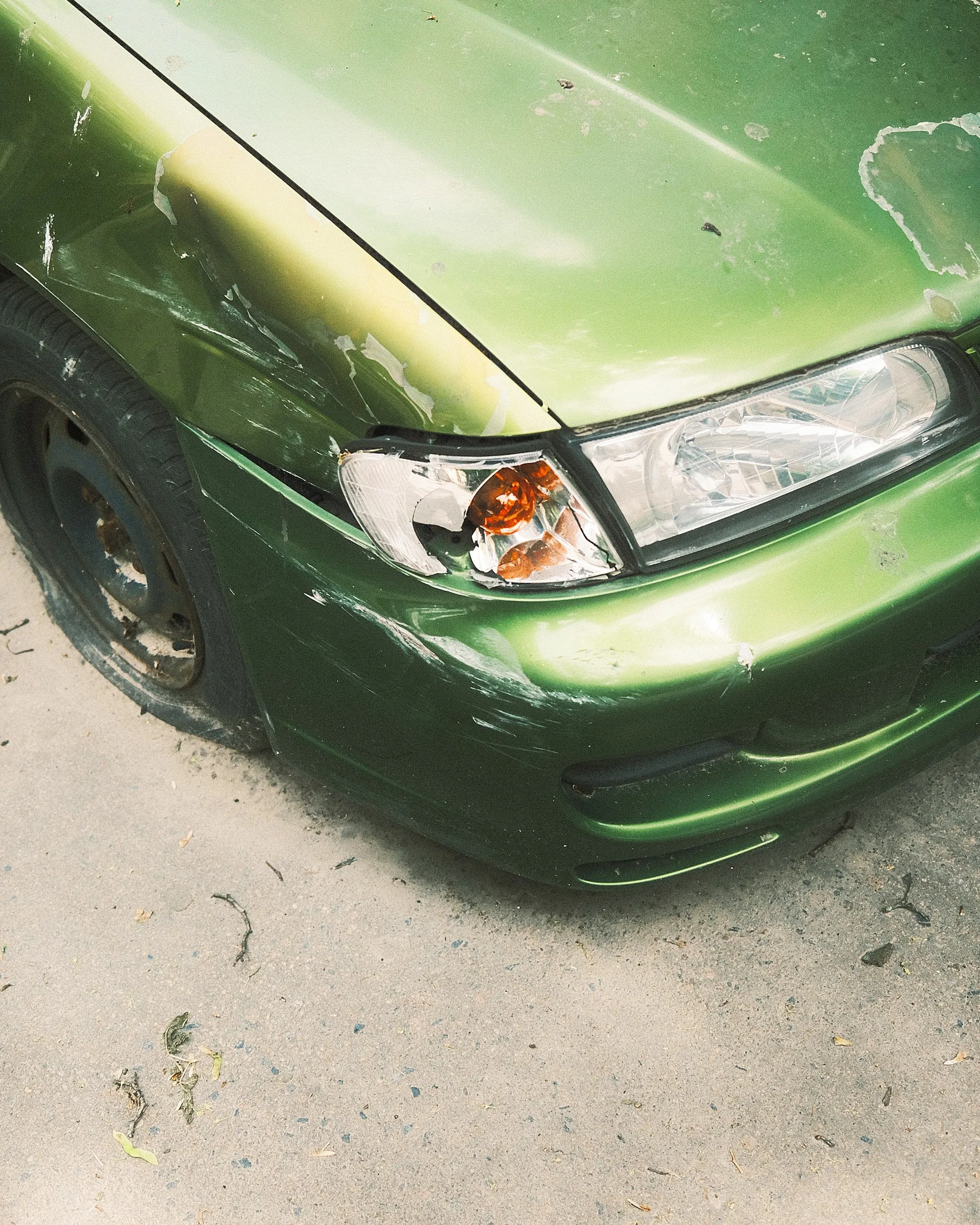
Front and rear bumpers
Bumper Repair & Replacement in Sachse, Cover to Brackets
A bumper tap in commuter traffic often hides more than a scuff. We check the cover, the brackets and the sensors, then give you one plan and one timeline for all of it.
Get your bumper looked at — (000) 000-0000What a Bumper Actually Includes
The painted part you see is the bumper cover, a plastic shell that sits over the real impact parts: a reinforcement bar, foam or plastic absorbers, and a set of brackets and clips. On many cars it also holds parking sensors, a radar unit for adaptive cruise or automatic braking, and sometimes a camera. A low-speed bump in stop-and-go traffic on Highway 78 or a backing mishap in a Sachse parking lot can crack a bracket or knock a sensor out of aim while the cover only shows a scuff. That's why we take the cover off before we commit to a plan. If the cover can be repaired, we repair it; if it's torn, warped or missing tabs, we replace it. Either way, the sensors and supports get checked so everything works as a unit when the car goes home.
The Bumper Work We Handle
A bumper job can touch several parts. Here is how each piece is covered.
Hidden-damage check
We pull the cover to inspect the brackets, absorber and bar behind it, since that's where low-speed hits tend to do their real damage.
Plastic repair for tears and cracks
Cracks and small tears are welded from the inside with plastic rod and reinforced, then smoothed for paint.
Swap the cover if it's too far gone
Covers with warped sections, broken mounting tabs or large tears are replaced with the correct part for your trim level.
Mounts and energy absorbers
Broken mounts and crushed absorbers are replaced so the cover sits tight and the bumper can do its job in a later hit.
Impact bar review
The steel or aluminum bar is checked for bends or cracks. A damaged bar is replaced, since it's what actually takes the force of a crash.
Sensors reinstalled and tested
Parking sensors are moved to the new cover or reset in the repaired one, then tested to confirm they read correctly.
Radar and camera aim
If the bumper carries a radar or camera, we check its aim and calibrate it so adaptive cruise and automatic braking respond as designed.
Paint matched to the car
The cover is refinished to match the rest of the car and blended where it meets the fenders or quarter panels.
Planning a Bumper Job From First Look to Pickup
- Step 1
Inspect and decide
We look over the cover and, in most cases, take it off to see what's behind it. Then we decide whether to repair or replace the cover and list anything else that needs attention. The estimate comes with an expected timeline. Parts that need ordering go on order once the plan is approved.
- Step 2
Fix the parts behind it
Brackets, absorbers and the reinforcement bar are repaired or replaced first. The cover is then repaired, or a new one is prepped. Sensors are moved over and reconnected. If a part runs late, you get a call with a revised date.
- Step 3
Paint, fit and test
The cover is painted, blended and given time to cure, then mounted and aligned to the fenders and lights. Sensors and any radar or camera are tested and calibrated. A final scan confirms no warning lights remain. Once everything checks out, we let you know it's ready.
Why Bumper Jobs Get Planned Properly Here
Nothing missed behind the cover
Taking the cover off is how we find a cracked bracket before it causes a loose fit or a rattle on the turnpike.
Sensors treated as part of the job
Driver-assist sensors aren't an afterthought. They're checked and calibrated within the same plan and timeline.
A cover decision you can follow
We show you why a cover is being repaired or replaced, so you understand the plan and the timing that comes with it.
Bumper Took the Hit? Here's the Next Step
A bumper that looks fine can still hide a broken bracket or a sensor out of aim. Walk us through what happened, and we'll set a time to take a look and hand you a plan.
Plan the bumper repair at (000) 000-0000